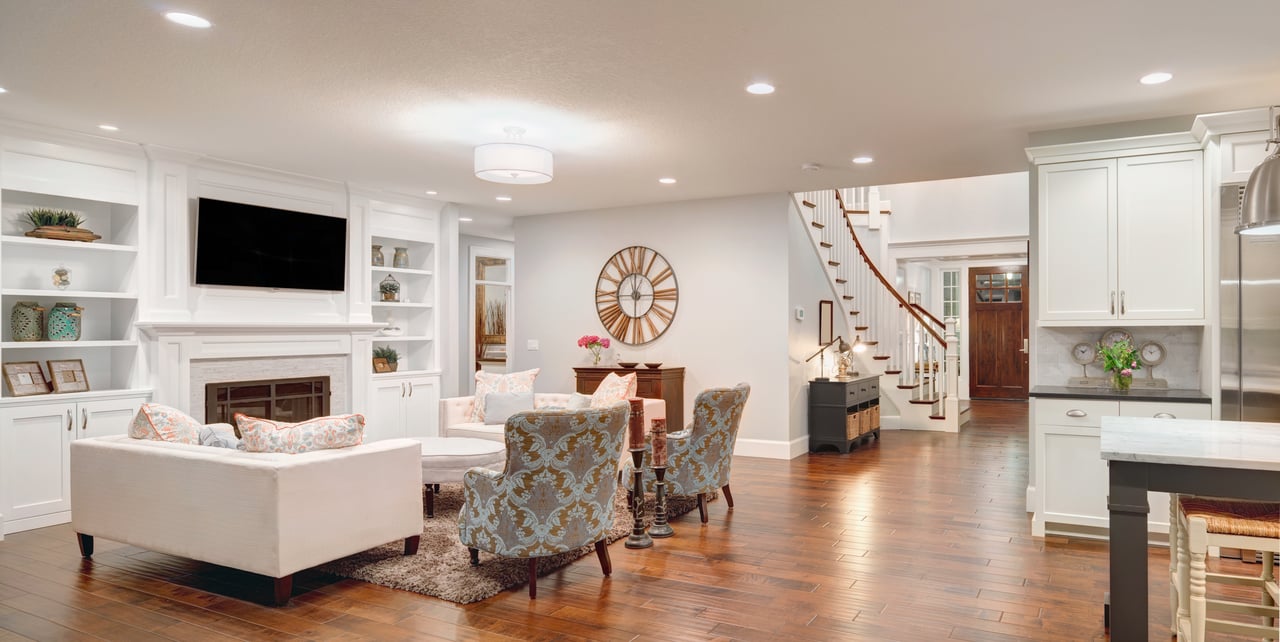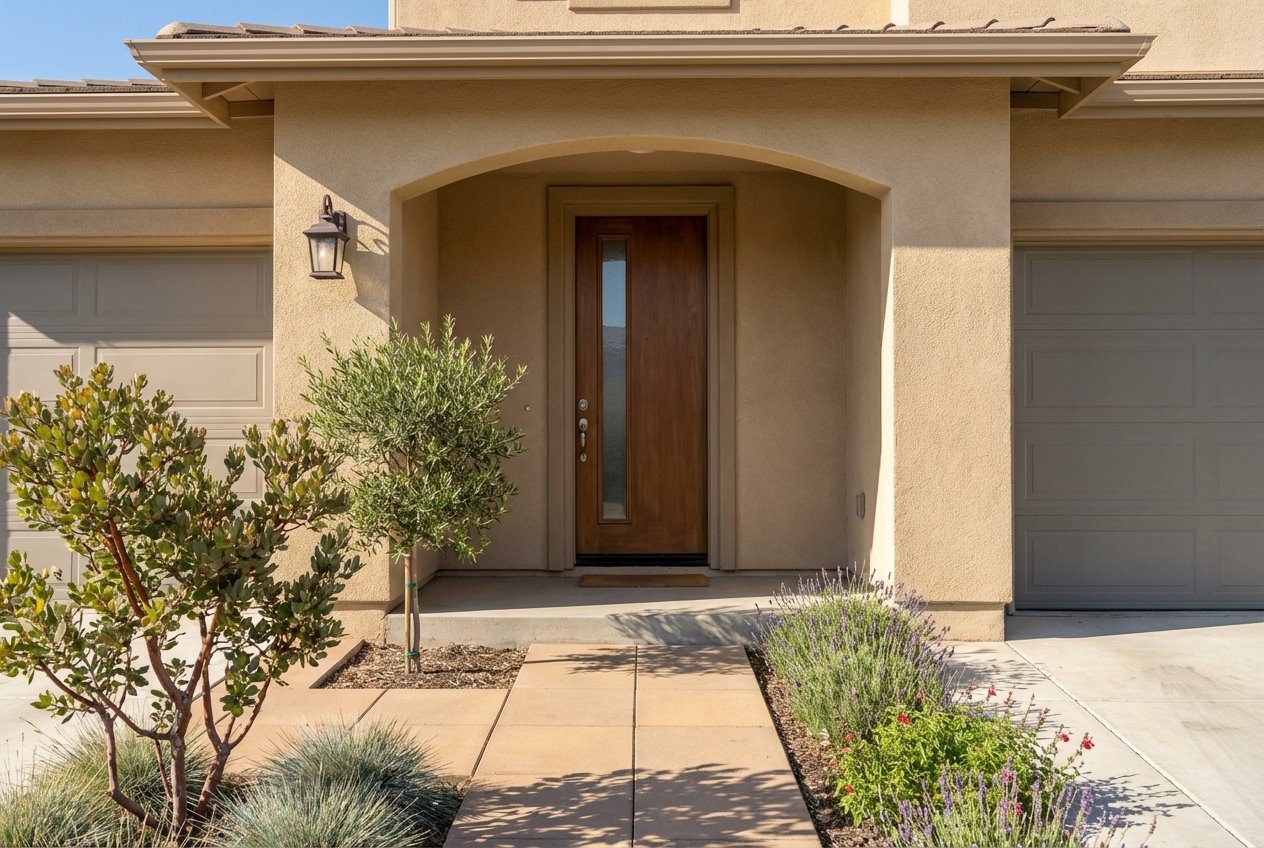
Buying your first home in East San Jose can feel exciting and overwhelming at the same time. Prices move fast, listings change week to week, and every block can feel different. You want a clear plan, real numbers, and local insight so you can make confident decisions. This guide gives you a practical, step-by-step roadmap tailored to East San Jose with timelines, financing options, inspection tips, and local watchouts. Let’s dive in.
East San Jose at a glance
When people say “East San Jose,” they often mean neighborhoods like Alum Rock and nearby east‑side corridors, commonly reflected in ZIPs such as 95116 and 95127. Price points vary by block and property type, so focus on your target ZIP when you compare homes. For example, the Prop‑Metrics snapshot for ZIP 95116 shows a median near the lower seven figures, which often sits below broader county medians.
Countywide, recent Santa Clara County market reports show single‑family medians well above $1.5M, with early‑2026 readings in the $1.7M–$1.8M range and quick market tempo in many areas. In practice, well‑priced, move‑in ready homes in popular East San Jose pockets can receive multiple offers, while homes needing work or priced high may sit longer. Lean on up‑to‑the‑minute local intel as you plan your search and offer strategy.
Your step‑by‑step roadmap
Phase A: Prepare (1–6 weeks)
Start by mapping the basics: your price range, must‑have features, commute needs, and tolerance for renovation. Pick 2–3 micro‑areas and price bands to stay focused. Calculate your full monthly cost, including principal, interest, property taxes, insurance, HOA if any, and reserves for maintenance.
Next, gather documents for pre‑approval. Typical items include photo ID, Social Security number, recent pay stubs, the last two years of W‑2s or tax returns, two to three months of bank statements, letters explaining large deposits, and info on other assets. Here’s a helpful overview of documents lenders typically request. Having this ready can shave days off your timeline.
Phase B: Financing and pre‑approval (1–21 days)
Aim for a fully underwritten pre‑approval from a lender familiar with Santa Clara County. This is stronger than a basic pre‑qualification and signals to sellers that your financing is solid. If you plan to use down‑payment help, work with lenders approved for programs like the CalHFA MyHome Assistance Program; many assistance programs also require a homebuyer education course.
Decide on likely loan paths. FHA, VA, and first‑time buyer conventional products each have different credit, down‑payment, and mortgage insurance rules. If you will apply for CalHFA or local down‑payment assistance, confirm income and purchase price limits early and build the education requirement and program approvals into your timeline.
Phase C: Search and tours (2 weeks to several months)
In quicker price bands, book showings as soon as a home lists. Bring a focused checklist for condition: roof age, electrical panel, plumbing, foundation clues, drainage, HVAC, and any signs of unpermitted work. In East San Jose’s older housing stock, condition can vary widely, so your notes will shape both your offer and your inspection plan.
Tour a range of properties to calibrate value. You will see original‑condition homes, refreshed remodels, townhomes, and small multi‑family options. Decide where you can accept cosmetic updates versus where you prefer a turnkey home.
Phase D: Offer and negotiation (0–14 days to acceptance)
A complete offer typically includes your pre‑approval, proof of funds for the down payment and closing costs, and an earnest money deposit in the 1–3% range. In tight inventory pockets, sellers prioritize certainty and clean timelines.
Understand your contingency strategy before you write. The California Residential Purchase Agreement has a standard 17‑day default period for buyer investigations. Loan and appraisal timelines often run 17–21 days, and financed escrows commonly close in 30–45 days. Some buyers shorten timelines in competitive situations. Shortening or waiving contingencies raises risk, so weigh it carefully with your agent and lender.
Phase E: Inspections to closing (2–8 weeks)
Once your offer is accepted, schedule inspections right away. A general home inspection is a must. In our area, it is common to add pest/wood‑destroying organism, roof, HVAC, and sewer lateral CCTV scopes. Many buyers target a 7–17 day inspection contingency window, so timing matters.
Respond quickly to lender requests during underwriting. After appraisal and final conditions clear, you will receive “clear to close,” then sign loan and title documents with escrow. For financed deals, expect a total of about 30–45 days from acceptance to closing if all parts stay on schedule.
What to watch in East San Jose homes
Common property types
East San Jose includes older single‑family bungalows, ranch‑style homes on modest lots, townhomes, duplexes, small multifamily properties, and newer infill buildings along key corridors. Many homes date from the 1920s through the 1970s, and you will find everything from fully original to extensively remodeled. First‑time buyers often compare small single‑family homes with townhomes or duplexes that allow owner‑occupancy with potential rental income.
Inspection and permit red flags
- Unpermitted additions or accessory units. Ask for permits and final sign‑offs. San Jose provides ADU legalization pathways; review the San Jose ADU legalization guidance if you are evaluating a conversion.
- Pests and wood‑destroying organisms. Termite inspections are common and may lead to treatment or credits.
- Sewer laterals and drainage. Many buyers order a sewer camera scope to evaluate root intrusions and breaks.
- Seismic and soils. Some foothill and creek‑adjacent areas have mapped liquefaction or landslide susceptibilities. Ask your agent to pull hazard maps and consider geotechnical review for hillside parcels.
- Older systems. Expect some homes to need electrical or plumbing upgrades. Lenders and insurers often require safe, functional systems.
Down‑payment help that fits
Program rules, income limits, and application windows change. Always verify details and work with approved lenders.
- CalHFA MyHome. The CalHFA MyHome Assistance Program offers a deferred, subordinate loan toward your down payment and closing costs. Amounts vary by primary loan type and your eligibility.
- Dream For All (shared appreciation). CalHFA has offered large down‑payment assistance in defined application rounds through its shared‑appreciation program. Watch CalHFA Dream For All updates for application windows and rules such as first‑generation buyer requirements.
- Empower Homebuyers SCC. Santa Clara County funds Empower Homebuyers SCC, administered by Housing Trust Silicon Valley. It provides deferred, shared‑appreciation down‑payment assistance for eligible first‑time buyers.
- Stacking assistance. Many buyers combine CalHFA with local programs where allowed. Stacking adds paperwork and timing steps, so loop in an experienced lender early.
Closing costs, taxes, and insurance
Plan for buyer closing costs of about 2–5% of the purchase price, which typically include title and escrow fees, lender fees, prepaid interest, homeowner’s insurance, and recording charges. Request a Loan Estimate early from your lender so there are no surprises.
Understand property taxes before you write. California ties your base tax to your purchase price. Under Proposition 13, the base is 1% plus voter‑approved assessments, so effective rates in San Jose often land around 1.1–1.3%, parcel to parcel. Review the current bill and any special assessments or CFD/Mello‑Roos obligations. See California property tax basics under Proposition 13 for background.
Insurance can vary based on age, construction, and proximity to wildfire or other hazards. Start quotes early, especially if the home has older systems or a complex roof.
Quick‑win tips
- Get fully underwritten pre‑approval to strengthen your offer and shorten underwriting.
- Schedule general, pest, roof, and sewer inspections as soon as you go under contract.
- Ask your agent to pull permit history, zoning notes, and any ADU records before you remove contingencies.
- If you need down‑payment help, start with CalHFA and county programs early. Some windows open and close quickly.
- Use ZIP‑specific comps and on‑the‑ground intel to judge pricing and pace.
Ready to start?
If you want a clear plan and hands‑on guidance tailored to East San Jose, reach out. With 25+ years in South Bay real estate and strong lender relationships, Mariano Peralta can help you shape your budget, target the right micro‑areas, and navigate financing, inspections, and closing with confidence.
FAQs
How much do I need down to buy in East San Jose?
- Many first‑time buyers use 3–3.5% down options through FHA or 3% down conventional products, often paired with the CalHFA MyHome Assistance Program. You will still need closing costs and reserves, so confirm totals with your lender.
How competitive are offers in East San Jose right now?
- It varies by price band and condition. County data shows quick market tempo in many areas, so well‑priced, move‑in ready homes can draw multiple offers. Check the latest Santa Clara County market reports and rely on hyper‑local comps before you write.
Should I waive inspection or appraisal contingencies to win a bid?
- Only if you fully understand the risks and have the reserves to absorb surprises. The California Residential Purchase Agreement defaults to a 17‑day inspection period; shortening or waiving contingencies increases deposit risk and can require extra cash if the appraisal comes in low.
What ZIP codes does this guide focus on?
- This roadmap focuses on East San Jose areas commonly discussed by ZIP and neighborhood, including parts of 95116 and 95127 and nearby Alum Rock and eastern foothill corridors. Always check comps and trends within the exact ZIP and micro‑area you are targeting.
What inspections are most common for older East San Jose homes?
- A general home inspection, pest/WDO report, roof evaluation, and a sewer lateral camera scope are common, with geotechnical reviews for hillside properties and permit checks for any additions. Aim to complete them within a 7–17 day inspection contingency window.