Thinking about selling your Campbell home, but not sure what price will attract serious buyers without leaving money on the table? You are not alone. Pricing in Silicon Valley takes strategy, data, and timing. In this guide, you will learn a simple, local framework to set a smart list price, read real-time signals, and adjust with confidence. Let’s dive in.
What drives Campbell pricing today
Campbell sits inside Silicon Valley, so buyer demand ties closely to tech employment centers, commute routes, and access to downtown amenities. Many buyers prioritize proximity to major employers, transit corridors, and the downtown Campbell scene. Limited new construction means resale condition and lot size often drive price differences more than age alone.
Mortgage interest rates and broader economic cycles directly affect buyer budgets and urgency. You can track high-level rate trends through the National Association of Realtors research center, and monitor regional conditions through California Association of Realtors market data. For block-by-block context, lean on recent local results from MLSListings.
Market value, list price, and perception
Setting the right number starts with clear definitions.
- Market value: The price a willing buyer and seller would agree to under normal conditions, supported by comparable sales.
- List price: Your asking price. It is a marketing tool that sets buyer expectations and influences showings.
- Buyer perception: Condition, photos, price per square foot, and days on market shape how buyers value your home.
Effective pricing aligns market value with a strategy that matches your goals, timing, and the competition.
Build a data-backed CMA
A Comparative Market Analysis (CMA) is your pricing foundation. Ask your agent for 3 to 6 closed sales from the past 30 to 90 days, plus current active and pending listings in your immediate neighborhood and price band.
Choose true comparables
- Match home type, size, bed/bath count, lot size, and location as closely as possible.
- Note major upgrades, permitted additions, garage and parking, outdoor space, and ADU potential.
- Use price per square foot as a guide inside the same neighborhood and home type, not across dissimilar homes.
Weigh actives and pendings
- Give more weight to closed sales. They set today’s appraisal anchors.
- Use pending and active listings to read the current competition and buyer expectations.
Watch key metrics
- Days on market patterns and the median DOM in your segment.
- List-to-sale ratio to see how close sellers are landing to their last list price.
- Absorption rate to judge supply versus demand in your price band.
Pick a pricing strategy
Your price is a lever. Choose the approach that fits your priorities.
- Price at market: Targets offers near the CMA mid-point. Good for steady interest with lower risk.
- Price slightly below market: Sparks more showings and can generate multiple offers if inventory is tight.
- Price above market: Works only when a rare, high-demand feature exists. Otherwise it risks longer days on market and reductions.
Bracket pricing can also help. Set an initial price with a clear, time-based fallback number if activity misses targets.
Time your launch
Seasonality still matters in the South Bay, but tech hiring and mortgage rate moves can shift the calendar. Spring often brings more listings and buyers, yet strong results happen year-round when pricing and presentation align.
- Track nearby listings that will hit at the same time. Competing launches can fragment your buyer pool.
- Monitor weekly closings and new actives in your price band while you prep. Adjust your list price if a clear pricing trend appears.
Condition and presentation
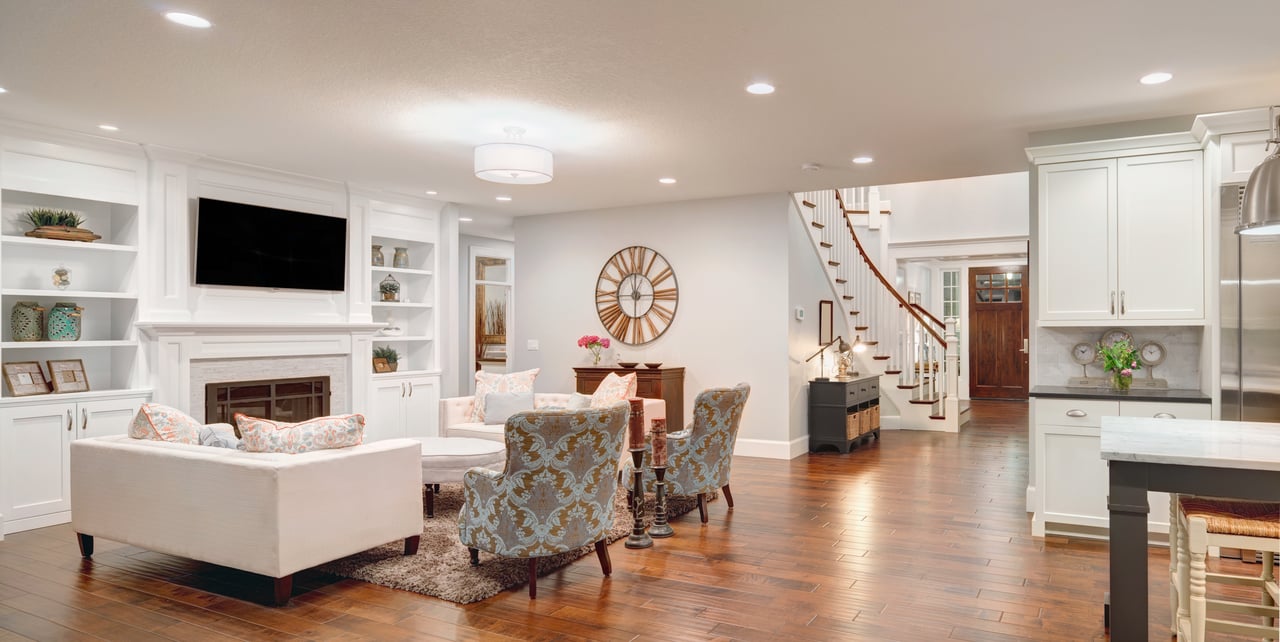
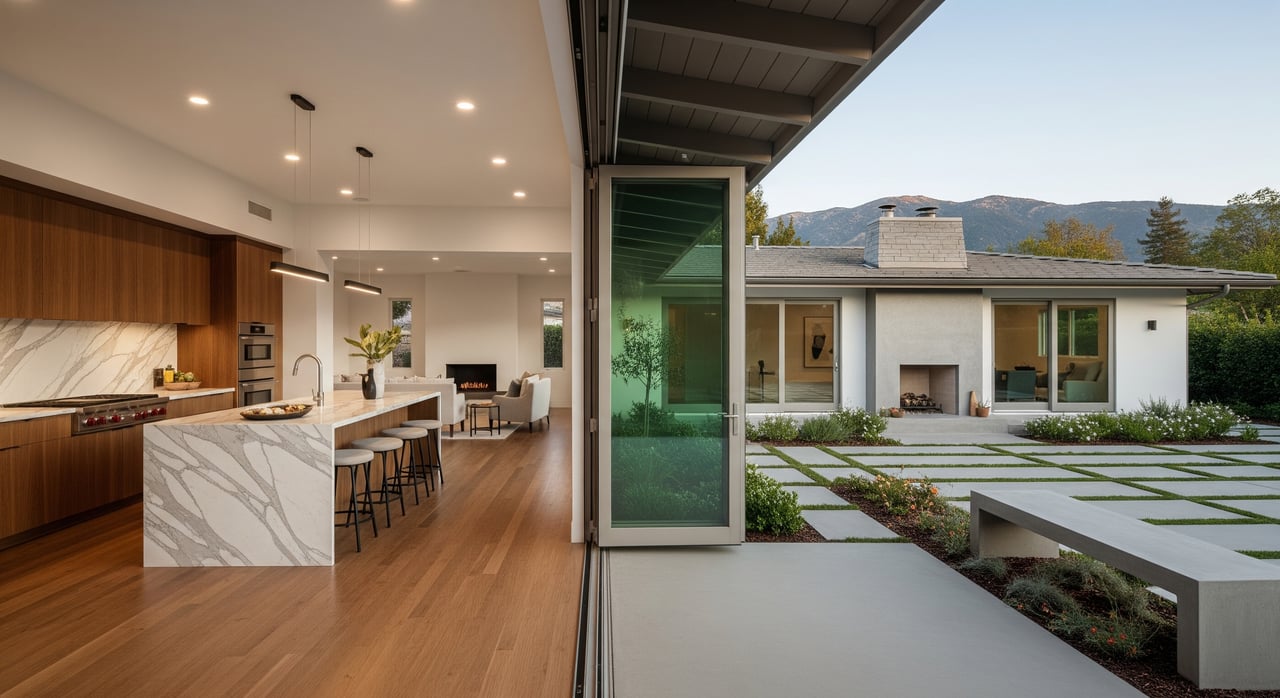
In Campbell, small visual improvements can change outcomes more than big renovations.
- Pre-list updates: Fresh paint, landscaping, lighting, and floor refinishing often deliver strong first impressions.
- Staging and photos: Professional staging and high-quality photography shape buyer perception and can shorten time on market.
- Pre-inspection and credits: A pre-list inspection can reduce uncertainty. Decide what to fix versus offer as a credit to maintain momentum.
Plan for appraisals and financing
Appraisals follow closed sales. If you expect competitive bidding or a top-of-range result, have a plan.
- Discuss appraisal gap strategies before you list.
- Weigh buyer financing types and down payment strength when you review offers.
- If an appraisal comes in low, your options include renegotiation, buyer gap coverage, price correction, or a second appraisal request.
Disclosures and taxes in California
California requires sellers to provide specific disclosures, including the Transfer Disclosure Statement and Natural Hazard Disclosure. Review the California Department of Real Estate consumer guidance to understand your obligations. Local factors like proximity to transit corridors or potential hazard zones must be handled transparently.
Buyers will also consider property taxes under Proposition 13 and potential reassessment after purchase. For county-level expectations and parcel data, refer to the Santa Clara County Assessor.
Step-by-step pricing checklist
Use this simple plan to set, launch, and refine your price with confidence.
- Gather documents and facts
- Floor plans, upgrade list with dates and permits, lot size, HOA documents if applicable, prior inspections, and tax assessment.
- Request a CMA
- Ask for 3 to 6 closed comps from the last 30 to 90 days, plus active and pending listings nearby. Include price per square foot and DOM trends.
- Adjust for condition and features
- Note size differences, lot, bed/bath count, major systems, and any permitted additions. Use documented, comp-based adjustments.
- Set a pricing range
- Choose a realistic list price and a minimum acceptable net after typical closing costs. Do not set a single number without a floor.
- Finalize marketing and timing
- Decide on staging, photography, pre-list inspection, and an offer review timeline.
- Create a time-based review plan
- If you do not receive acceptable offers in 14 to 30 days, decide whether to adjust price, expand marketing, or pause.
- Prepare for appraisal and negotiation
- Agree on acceptable financing types and appraisal strategies. Align on how you will handle a low appraisal.
When to adjust your price
Track real activity, not just online views.
- Showings: If qualified showings are low compared to similar listings, your price or presentation may be off.
- Feedback: If buyers consistently cite the same concern, consider a targeted repair or price adjustment.
- DOM vs. market: If your listing exceeds the median DOM for your segment without strong interest, revisit pricing.
- Competition: If a close comparable just closed below your range or a strong new listing hits nearby, reassess.
Work with a local advisor
Pricing a Campbell home is both art and science. You need hyper-local comps, a clear strategy, and a plan to navigate appraisals, disclosures, and timing. With 25+ years of South Bay experience, bilingual support, financing coordination, and hands-on project management, Mariano Peralta provides a single point of contact from pricing to closing. Ready to get your number right and move with confidence? Schedule a free consultation with Mariano Peralta.
FAQs
How many comparable sales should my Campbell CMA include?
- Expect 3 to 6 recent closed sales plus nearby active and pending listings. Closed comps carry the most weight, while actives and pendings show current competition.
Should I price under market to spark multiple offers in Campbell?
- Pricing slightly below market can work if inventory is tight and buyer demand is strong. Confirm with current DOM and list-to-sale patterns in your price band before you choose this path.
How much do staging and small updates matter for Campbell homes?
- Staging, paint, landscaping, and strong photos often improve buyer perception and reduce time on market more efficiently than major remodels.
What if my appraisal comes in below the contract price on a Campbell sale?
- Options include renegotiation, buyer appraisal gap coverage, a price adjustment, or seeking a second appraisal. Set your plan with your agent before listing.
How often should I re-evaluate my Campbell home’s list price after going live?
- Reassess weekly during the first 2 to 3 weeks. Track showings, feedback, and DOM against nearby listings, and have pre-set thresholds for adjustments.
What California disclosures should I prepare before pricing and listing?
- Review the Transfer Disclosure Statement, Natural Hazard Disclosure, and other state-mandated forms. See the California Department of Real Estate consumer resources for guidance.