You want shorter, more predictable commutes without giving up weekend fun or everyday convenience. In Santa Clara, you can live near major employers, choose from multiple transit options and still be minutes from parks and great dining. In this guide, you’ll learn how to plan your commute, which neighborhoods make it easier and what home features matter most for hybrid work. Let’s dive in.
Why Santa Clara works for commuters
Santa Clara sits at the center of Silicon Valley, next to San José, and is home to major employers like Applied Materials, Intel, AMD, Kaiser and NVIDIA. That concentration of jobs keeps local housing in demand and supports strong neighborhood services and amenities. You can get a sense of the city’s role in the region by reviewing the Santa Clara overview.
Commute times are a good starting point. The U.S. Census reports a mean travel time to work of about 22 to 23 minutes for Santa Clara residents. That gives you a baseline, though your door‑to‑door time will depend on your exact route and mode. You can confirm the current estimate on Census QuickFacts.
On housing, recent market trackers generally place typical or median values in the 1.6 to 1.8 million range, with month‑to‑month differences between sources. If you are budgeting, plan for variation by property type and neighborhood, and confirm fresh comps before you write an offer.
Commute options at a glance
Driving routes and patterns
If you prefer to drive, you will likely use US‑101, I‑280, CA‑237 and CA‑85 for most North‑South and East‑West trips. Inside Santa Clara, Lawrence Expressway and El Camino Real handle many cross‑town drives. Expect peak‑hour congestion to add 20 to 40 or more minutes compared with off‑peak times, especially near the 101 and 237 ramps. If speed matters most, living close to on‑ramps or along Tasman Drive and Lawrence Expressway can trim your daily time in the car.
Caltrain and regional rail
Caltrain stops in Santa Clara at the downtown Santa Clara station, and the Santa Clara–Great America area also connects to the corridor. If you are headed to the Peninsula or need to transfer in Mountain View or Palo Alto, Caltrain can make your trip more predictable. Always check current Caltrain schedules and factor in walking time or shuttles from the station to your office.
Regional services like ACE and the Capitol Corridor operate near the Great America area on select runs. These can be useful if your employer offers a connecting shuttle or if your route lines up with their timetables. Verify weekday vs. event‑day service before you rely on it.
VTA light rail, bus and future BART
VTA light rail connects Santa Clara to central San José and other South Bay hubs, with VTA bus and rapid lines linking neighborhoods to rail. Looking ahead, the BART Silicon Valley extension (Phase II) will add a Santa Clara station. It is a multi‑year project, but it will change local connectivity and expand rail options once completed. You can read more about the program on the VTA BART extension FAQ.
Employer shuttles and first/last mile
Many large tech and healthcare employers run private shuttles to and from Caltrain, VTA and key hubs like Great America. If your company offers one, it can turn a multi‑modal trip into a simple routine. Ask HR for the latest shuttle map and schedules, since routes can change with seasons and return‑to‑office policies.
Where to live: commuter‑friendly areas
North Santa Clara and Rivermark
If you want quick access to the north‑Valley corridor and transit, start here. Rivermark and nearby pockets offer a mix of townhomes, condos and modern single‑family homes with neighborhood retail and parks. You are close to employer campuses, the Great America/Levi’s Stadium area and connecting shuttles. Many residents choose this area to reduce driving and keep weekday routines simple.
Central Santa Clara and the SCU area
Near Santa Clara University, you will find established, tree‑lined streets and smaller lots that offer a more traditional neighborhood feel. These blocks place you closer to central Santa Clara amenities and shorten commutes to downtown San José employers. You are also near Central Park, the city’s signature green space with a library, community center and sports facilities.
95051 and 95054 corridors
Along Lawrence, Montague and Tasman you will see denser housing, newer townhome communities and apartment options built with commuters in mind. Condos and townhomes can be more attainable than single‑family homes in the city core and often come with lower‑maintenance living that suits busy workweeks. Expect prices to vary by building age, amenities and proximity to transit.
What to look for in a commuter‑smart home
The right features can reduce stress and add flexibility to your week. Consider the following when you tour:
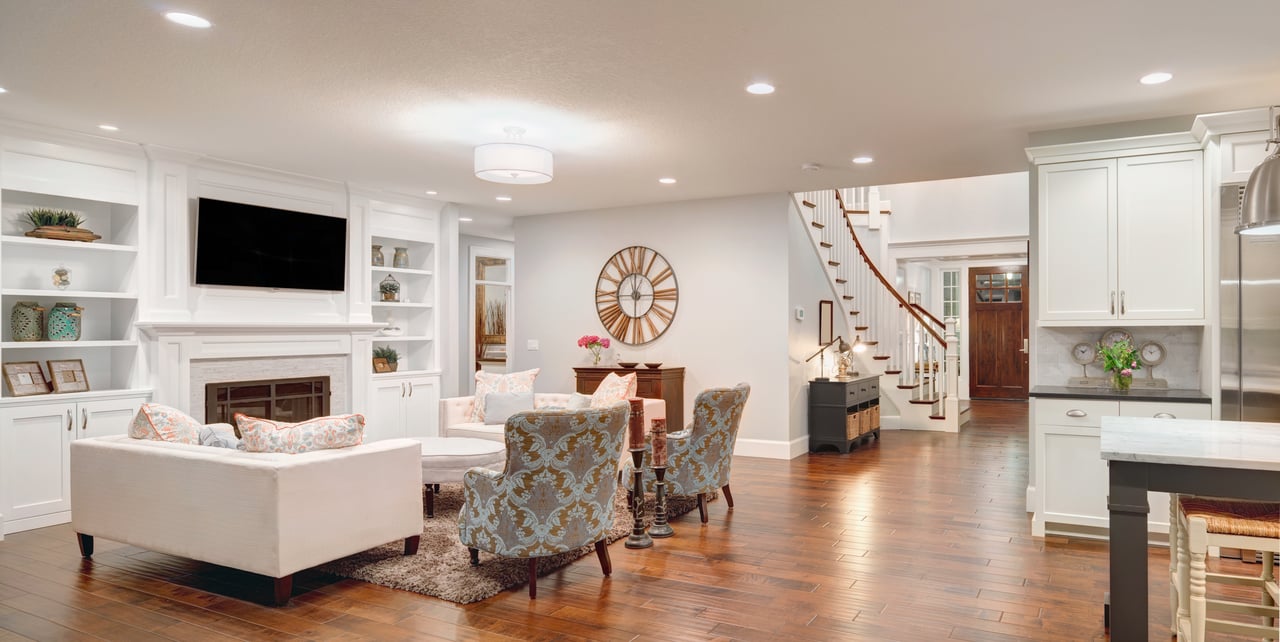
- Dedicated home office or flex room. Hybrid schedules make a quiet workspace essential. National surveys show a home office and flexible floor plans remain top priorities for buyers. You can see highlights in this NAR feature roundup.
- High‑speed broadband or fiber. Many newer developments are fiber‑ready, and strong wired connections support video calls and large file transfers. Confirm availability by address during due diligence.
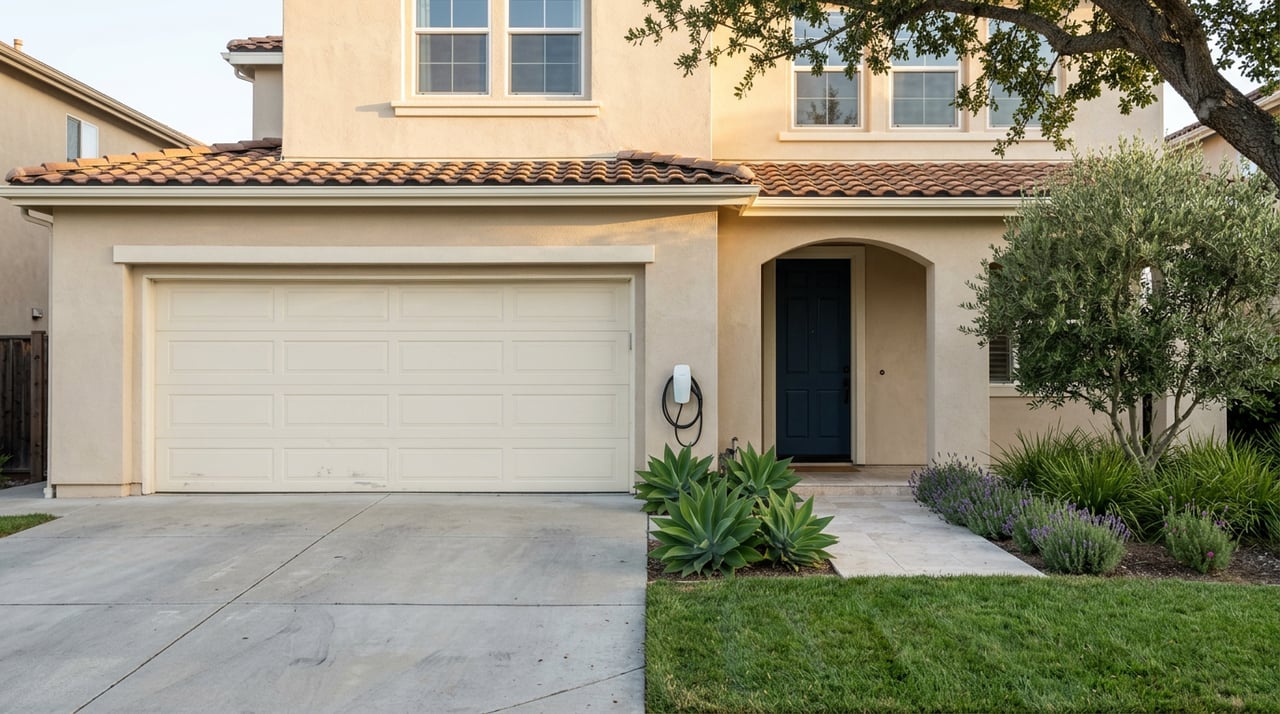
- EV charging readiness. With EV adoption rising in California and public programs funding new infrastructure, buyers value a garage with Level‑2 capacity or an easy path to install it. The state’s energy commission has details on active investments, including a recent high‑power charging initiative described by the California Energy Commission.
- Garage and secure bike storage. If you combine driving and rail, you will appreciate safe parking and space for a commuter bike or scooter.
- Low‑maintenance yards and nearby recreation. If less yardwork and more outdoor time is your goal, look for homes close to parks and trails.
Everyday lifestyle for busy weeks
One of Santa Clara’s strengths is easy access to green space. Central Park anchors the city with ballfields, a library and community programs, a convenient spot for a quick workout or evening walk. You can preview amenities in the city’s Central Park guide.
For a nature break, the Ulistac Natural Area offers 40 acres of restored habitat and flat trails along the Guadalupe River corridor. It is a great option for early morning runs or weekend birding. Learn more about restoration and trails from the Open Space Authority.
Levi’s Stadium and California’s Great America bring concerts, games and seasonal events. On event days, rail service and shuttles may be adjusted, which can actually make multi‑modal trips more convenient. If you drive, plan around kickoff or show times to avoid the heaviest traffic.
Example commute planning tips
Use these quick steps to make your daily trip smoother:
- Start station‑first. If you want a predictable multi‑modal routine, focus your search within a 10 to 15 minute walk of the Santa Clara Caltrain station or the Great America area, or near frequent VTA lines.
- Time your windows. Peak‑hour congestion can add 20 to 40 or more minutes to freeway trips. If your schedule is flexible, a slight shift can save time daily.
- Test‑run your route. Do a weekday dry run at your target start time. Try both drive‑only and train‑plus‑shuttle versions to compare.
- Confirm shuttles. Ask your employer for current shuttle stops and timetables and match your housing search to those routes.
- Plan for parking and charging. If you rely on station parking or an EV, verify availability, policies and charger locations before you commit.
- Keep backups ready. Save Caltrain, VTA and traffic apps on your phone and set alerts for service changes.
Buying well in Santa Clara
In this market, buyers often pay a premium for proximity to major employers and Caltrain, turn‑key condition, a dedicated office and EV‑ready garages. If you are targeting a shorter commute, consider transit‑adjacent condos and townhomes as an entry point, then expand to single‑family homes once you know your routine. Prices shift month to month, so review up‑to‑date comps for your micro‑area when you are ready to write.
If you are selling, highlight features that save time and support hybrid work. Clear messaging about fiber availability, office space and charging can help your listing stand out with commuter buyers.
Ready to compare neighborhoods?
If you want a practical plan for living in Santa Clara and commuting across the Valley, let’s map routes, tour commuter‑friendly homes and line up financing so you can move with confidence. Reach out to Mariano Peralta to schedule a free consultation. English or Spanish, you will get direct guidance from a local broker with 25+ years of South Bay experience.
FAQs
Is Santa Clara a good base for commuting to major Silicon Valley employers?
- Yes. Many employers are within a 10 to 30 minute drive in normal traffic, and Caltrain plus VTA cover many multi‑modal trips; verify exact times for your addresses.
What is the average commute time for Santa Clara residents?
- The U.S. Census shows a mean travel time of about 22 to 23 minutes, though door‑to‑door times vary by route, time of day and mode.
Which Santa Clara neighborhoods are most transit‑friendly for commuters?
- Areas within a short walk of the Santa Clara Caltrain station or the Great America corridor, plus corridors near frequent VTA service like Tasman, are strong choices.
Does Santa Clara have Caltrain, VTA and future BART access?
- Yes. Santa Clara has Caltrain service, VTA light rail and bus, and a planned BART extension that will add a Santa Clara station in a future phase.
What home features matter most for hybrid workers in Santa Clara?
- A dedicated office, strong broadband, EV‑charging readiness, secure parking/bike storage and low‑maintenance outdoor space near parks and trails are top picks.