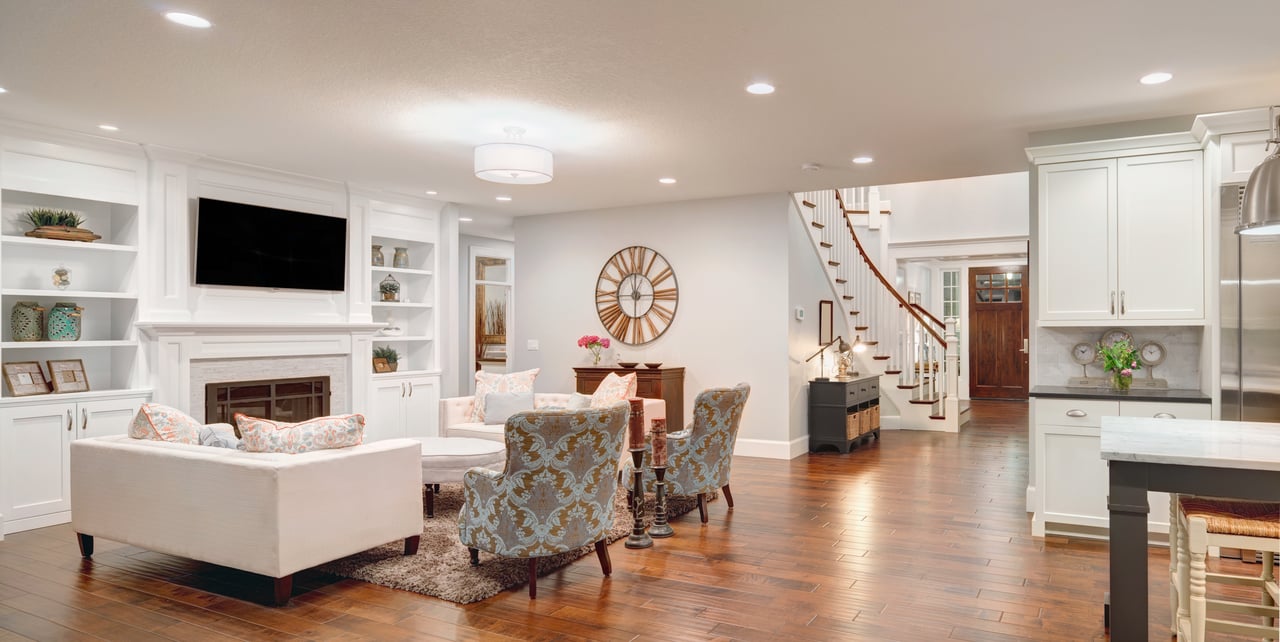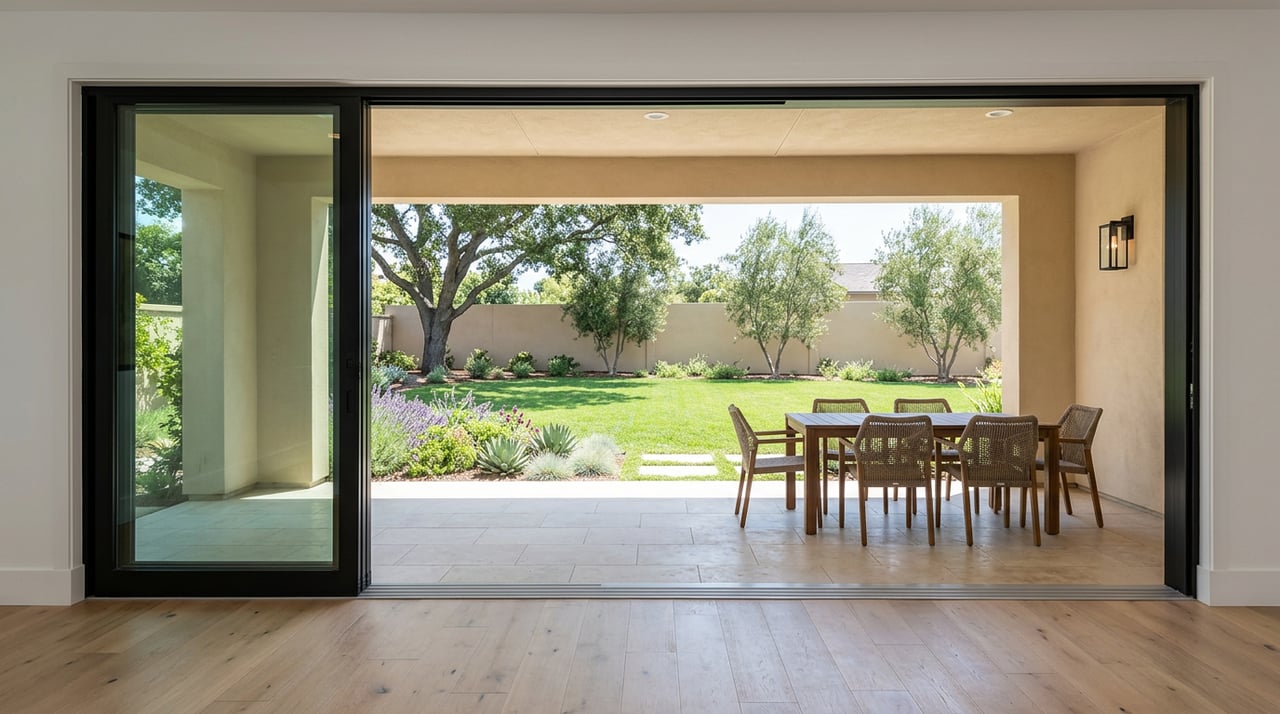
Thinking about trading your Morgan Hill condo for a yard, more privacy, and extra space? You’re not alone. Making the move from a condo or townhome to a single‑family house is exciting, but it also comes with new costs, decisions, and timelines. In this guide, you’ll get local prices, clear move‑sequence options, and a simple checklist so you can plan with confidence. Let’s dive in.
Morgan Hill market snapshot
If you’re upsizing, the most important number is the price gap between condos and houses. According to the latest SCCAOR snapshot for January 2026, Morgan Hill single‑family homes show an average sale price around $1.80 million with a median near $1.525 million. Condos and townhomes show average and median prices near $933,000 and $961,000. You can review the full local tables in the SCCAOR report for monthly trends, inventory, and days on market. See the January 2026 packet.
Inventory remains constrained in parts of South County, which can keep competition elevated for well‑priced homes. That matters for your move plan, especially if you need to sell and buy in quick sequence.
Plan your move sequence
There isn’t one “right” path. Pick the approach that fits your finances, timing, and stress tolerance.
Option 1: Sell first
- Pros: Lower financial risk, no double mortgage, clear budget once your condo closes.
- Cons: Timing pressure, and you may miss out on a favorite house if it lists before your condo sells.
Option 2: Buy first
- Pros: More control over finding the right house and timing your move.
- Cons: Higher carrying costs and you must qualify for two homes at once or use short‑term financing.
Option 3: Sale contingency
- Pros: Protection if your condo doesn’t sell.
- Cons: Less competitive in low‑inventory conditions; sellers may require a kick‑out clause.
Option 4: Bridge or short‑term financing
- Pros: Lets you close on the house before selling your condo.
- Cons: Higher rates and strong documentation requirements; review terms carefully with your lender.
Quick decision prompts
- Do you have cash or a preapproval to carry two homes if needed?
- Is locking the right house the top priority, or is maximizing your condo’s sale price more important?
- How willing are you to move twice or secure short‑term housing if timing doesn’t line up?
Given Morgan Hill’s constrained inventory, sale‑contingent offers can be less competitive. Use the monthly SCCAOR report to gauge how quickly homes like yours are moving, then run side‑by‑side timelines and net sheets with your broker.
Costs to expect when upsizing
When you move from a condo into a detached house, both one‑time and ongoing costs change. Here’s how to plan.
Property taxes in Santa Clara County
California’s Prop 13 sets a base property tax of 1% of assessed value, with additional local assessments that vary by neighborhood. Your effective rate depends on your parcel. Use the Santa Clara County Assessor to review assessments and look up parcel specifics. Visit the Assessor’s site.
- Example: On a $1.525 million purchase, the base 1% is roughly $15,250 per year, plus any local voter‑approved assessments listed on your parcel.
County documentary transfer tax
Santa Clara County’s documentary transfer tax is $0.55 per $500 of sale price (that equals $1.10 per $1,000). For exact fees and any city‑level taxes, confirm with the county and your escrow officer.
- Example: On a $1.5 million sale, the county documentary transfer tax is about $1,650. You can review county tax references in the county’s published materials. See the county document.
Insurance and utilities
Condo owners typically carry an HO‑6 policy that covers interiors and contents, since the HOA insures much of the exterior. Single‑family owners carry HO‑3 or HO‑5 style policies that cover the structure and yard, which usually costs more. Utility bills can rise as you add square footage, lawn irrigation, and outdoor lighting. Ask your insurer and utility providers for quotes based on address and size.
Maintenance budget
Houses come with ongoing exterior and system upkeep, like roofs, yards, irrigation, fencing, and driveways. Many industry sources suggest budgeting about 1% of home value per year for maintenance, though actual costs vary by age and condition. On a $1.525 million house, that rule of thumb is roughly $15,250 per year. For context, see a summary of average maintenance expense ranges in this industry overview. Read a maintenance cost guide.
HOA differences you might miss
- Condo and townhome HOAs often include exterior maintenance, common‑area insurance, landscaping, and amenities. Monthly dues vary widely in Morgan Hill, often from under $100 to over $400 depending on the community.
- If you are moving into another HOA community, request the HOA’s budget, reserve study, and recent meeting minutes to spot any special assessments or deferred maintenance. Guidance from industry groups highlights the importance of reserve adequacy. Learn more about HOA reserves.
One‑time vs. ongoing obligations
- One‑time: escrow and title fees, transfer tax, recording fees, lender fees, title insurance, inspection costs, termite work if needed, and any repair credits.
- Ongoing: mortgage principal and interest, property tax, single‑family insurance, utilities, HOA dues if applicable, and a maintenance reserve for big‑ticket items.
Neighborhoods and lots in Morgan Hill
Morgan Hill offers a wide mix of settings, from walkable downtown streets to foothill properties with views. The city’s website has planning and development resources if you want to explore where new projects are happening. Visit the City of Morgan Hill.
Downtown and Monterey Road
You’ll find a historic core with restaurants, events like the farmer’s market, and venues such as the Granada Theatre. Lots tend to be smaller, which keeps exterior maintenance lighter while still offering private outdoor space.
Madrone and westside foothills
Often higher‑priced with larger lots and hillside views, this pocket appeals to buyers who want more outdoor room and a scenic backdrop. For area context, see the Madrone neighborhood overview. Explore Madrone.
Butterfield, Countryside, and tract areas
These neighborhoods feature many mid‑size single‑family lots with parks nearby. If you want a traditional subdivision layout and practical yard space, this is a good place to focus your search.
North Morgan Hill new construction
Recent and planned projects on the city’s north side add a mix of detached and duet homes over time. Check the city’s development and planning pages for updates on active applications and timelines. See planning and development resources.
Lot size and outdoor factors
- Small town lots: Lower exterior maintenance, convenient if you prefer walkability and less yard work.
- Suburban lots: More lawn and fencing to maintain, plus irrigation considerations.
- Foothill acreage: Potential for wells or septic systems, more vegetation management, and steeper grading.
Always confirm parcel size and details with the county. Look up the Assessor’s Parcel Number, review assessor maps, and ask about water source and fire‑wise responsibilities for hillside properties. Use the County Assessor’s tools.
Schools, commute, and daily life
School boundaries and info
Morgan Hill Unified School District serves the city’s public schools. If school assignment is a factor in your move, review current attendance boundaries and available performance information on the district site. Check MHUSD schools.
Commute and transit
Caltrain serves Morgan Hill and Gilroy with more limited weekday service compared with mid‑Peninsula stations. If you commute to San Jose or north, compare drive times with rail schedules to see what fits your routine. Review Caltrain schedules.
Timeline, inspections, and permits
Moving up typically involves two transactions. To keep things smooth, line up your professionals and estimates early.
- Closing cost checklist: escrow fee, title insurance, recording fees, county documentary transfer tax, property tax prorations, HOA transfer fees if any, and lender fees. Ask your escrow officer for an itemized estimate. For county transfer tax rules, review the county’s published references. See the county document.
- Inspections: plan for a general home inspection, and consider roof, foundation, and termite inspections, especially for older homes.
- Permits and remodeling: if you plan an ADU, kitchen overhaul, or an addition, confirm permit requirements and timelines with the City of Morgan Hill before you buy. Visit the City of Morgan Hill.
- Timing cues: inventory and days on market shift monthly. Use the latest SCCAOR packet to set expectations for how long listings like yours are taking to go pending. View the SCCAOR report.
Your next steps
- Meet with a local broker to price your condo and map the best buy‑sell sequence for today’s inventory.
- Get a lender preapproval and discuss options like bridge financing or temporary rate strategies.
- Ask escrow for a written estimate of closing costs, including county transfer tax.
- Request insurance quotes for an HO‑3 or HO‑5 policy at your target price point.
- If staying in an HOA until your condo sale, review the latest budget, reserve study, and any special assessments.
Ready to plan your move from condo to house in Morgan Hill with a clear, local strategy? Schedule a free consultation with Mariano Peralta to get tailored pricing, timelines, and next steps.
FAQs
What is the price gap between Morgan Hill condos and houses?
- As of January 2026, SCCAOR reports single‑family median near $1.525M and condo/townhome median near $961K, which shapes your buy‑sell timing and financing plan. See the report.
How do property taxes change when moving up in Morgan Hill?
- California’s Prop 13 sets a base 1% of assessed value plus local assessments; on a $1.525M house, the base is about $15,250 per year, with parcel‑specific add‑ons. Check the Assessor.
Who usually pays Santa Clara County’s transfer tax?
- The county tax is $0.55 per $500 of price; payment is negotiable in the contract, so ask your agent and escrow for a line‑item estimate and local custom. Review the county reference.
What extra costs should I expect when leaving a condo HOA?
- Expect higher single‑family insurance and more maintenance for roofs, yards, and exteriors; set a maintenance reserve and get quotes from your insurer and local contractors.
Which Morgan Hill neighborhoods are good for larger lots?
- The westside and Madrone areas often feature larger lots and hillside views, while many tract neighborhoods offer mid‑size lots with park access. Explore Madrone.
Is Caltrain practical for my commute from Morgan Hill?
- Caltrain service to Morgan Hill is more limited than mid‑Peninsula stations; compare schedules with your work hours before you commit. Check schedules.