Thinking about adding a backyard home in East San Jose? You are not alone. ADUs are a smart way to create flexible space for family or long-term rental income, but the rules can feel complex. This guide breaks down what San Jose allows, how state law shapes your options, what it costs, and how to move from idea to approved plans. Let’s dive in.
What ADU rules apply in San Jose
State law sets the baseline. California’s ADU statute, Government Code Section 65852.2, preempts many local barriers and requires cities to approve compliant ADUs through a streamlined, ministerial process. The California Department of Housing and Community Development offers plain‑language guidance on the statewide standards and exemptions in its ADU resources.
San Jose adds objective, local standards. The City can set specifics like maximum size, setbacks, and height as long as they align with state law. You can find current procedures and contacts through the City’s Planning, Building, and Code Enforcement pages for San Jose Planning and Building.
The bottom line: if your design meets objective rules, City staff should review it ministerially without public hearings. If you seek exceptions, expect added steps and time.
What you can build on an East San Jose lot
ADU types
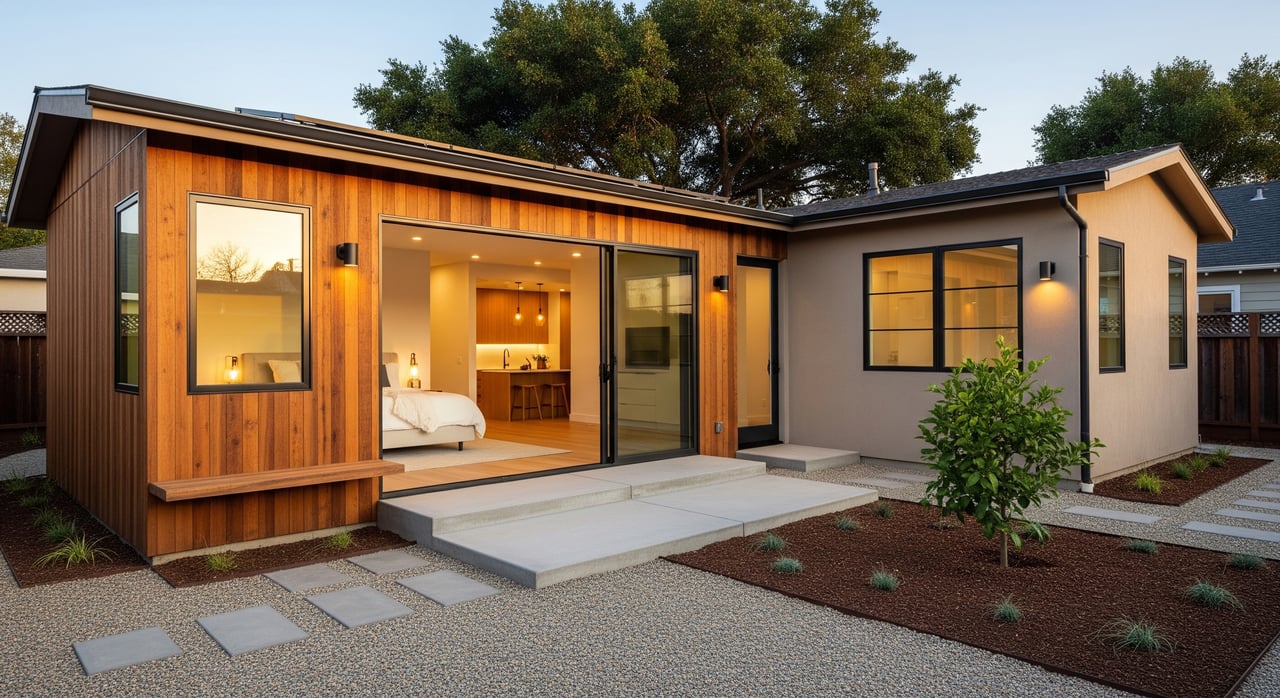
- Detached ADU: a new, standalone backyard unit.
- Attached ADU: an addition that shares a wall with the main house.
- Conversion ADU: a garage or existing accessory structure converted to living space.
- Junior ADU (JADU): a small unit within your existing home, typically up to 500 sq ft with its own entrance and some shared facilities.
How many units
On most single‑family lots, state law generally allows one ADU plus one JADU. Multi‑unit properties may be eligible for multiple ADUs under state rules. The exact allowance for your parcel depends on zoning and current City procedures, so confirm the latest with San Jose Planning.
Size, height, and setbacks
San Jose’s exact numbers depend on your zoning district and unit type. In practice, cities often allow JADUs up to 500 sq ft and reduced side and rear setbacks for detached ADUs, commonly around 4 feet. Typical one‑story heights for small detached units are often in the mid‑teens. Always verify the current maximum square footage, height, and setback standards for your address before you design.
Parking and transit proximity
State law limits when cities can require parking for ADUs. Parking is often not required if the property is within a half‑mile of public transit, if you are converting an existing structure, or in other specific cases. In East San Jose, proximity to VTA light rail or frequent bus corridors can reduce or eliminate ADU parking requirements. If your home is not near transit, the City may require parking, with flexible options like tandem spaces.
Owner‑occupancy and rental
Recent state reforms generally prohibit cities from requiring owner‑occupancy for most ADUs. That means you can often rent the main home and the ADU long term without living on site. Short‑term rental rules are separate; check San Jose’s current short‑term rental regulations if you plan to host stays under 30 days.
Permitting steps in San Jose
Pre‑checks and site planning
- Confirm your zoning and whether your lot is single‑family or multi‑family.
- Note any historic districts, easements, or special overlays.
- Sketch a simple site plan with existing structures, property lines, and utilities.
- Consider sewer, water, and electrical capacity early, especially for detached units.
Plan submittal and review
Submit your planning and building applications with a complete plan set. City staff will perform plan checks for zoning, building, structural, energy, and fire standards. Expect comments and at least one resubmittal. Projects that meet objective standards should be approved ministerially by staff.
Inspections and final approval
Once you receive permits, construction proceeds with standard inspections: foundation, framing, rough systems, and final. After passing all inspections, the City issues a final sign‑off or certificate of occupancy so you can use or rent the unit.
Typical timelines
- Plan check to permit issuance: about 6 to 12 weeks for straightforward, compliant ADUs, depending on workload and resubmittals.
- Construction: 2 to 4 months for conversions; 6 to 12 months for new detached units depending on size and site work.
- Total project: many East San Jose homeowners see 6 to 18 months from decision to move‑in or rent‑ready.
Costs and financing
Typical project budgets
- Garage or interior conversion: often 50,000 to 150,000 dollars, driven by structural upgrades, utilities, and finishes.
- New detached ADU (about 400 to 800 sq ft): commonly 150,000 to 400,000 dollars or more in the Bay Area, with size and finish level as key drivers.
- Modular or prefab: can shorten on‑site time; total installed costs often end up in similar ranges once site work and permits are included.
- Soft costs: design, engineering, and permits often run 10 to 20 percent of construction cost.
Fees, impact fees, and utilities
San Jose collects application, plan check, and building permit fees. State law limits some impact fees for smaller ADUs and requires proportional charging in many cases. Utility connections for sewer, water, and electrical can be a large cost driver, especially if new or upsized service lines or electrical panel upgrades are needed. Always check current City fee schedules and your utility providers’ connection policies before finalizing your budget.
Financing options
Common paths include cash‑out refinancing, a home equity line of credit, or an ADU‑focused construction loan from a local lender. Some jurisdictions and nonprofits run ADU grant or loan programs periodically. If you plan to rent the unit, discuss projected rental income and timing with your lender early.
East San Jose lot scenarios
Small lot with a detached garage
Converting the existing garage is often the most cost‑effective path if the structure and utilities pencil out. Conversions typically avoid new setback issues and can move faster. Verify structural condition, ceiling height, and utility access before committing.
Mid‑sized lot with open backyard
A new detached cottage offers privacy and design flexibility. Confirm reduced setbacks for ADUs, check height limits, and plan for sewer and water runs. Include yard drainage, privacy, and window placement in your design so it fits the neighborhood context.
Narrow lot with limited rear yard
An attached ADU or a JADU within the existing home can unlock a second unit with fewer site constraints. Interior conversions are usually the least expensive route and avoid exterior setback issues. Be mindful of egress, fire separation, and floor area limits.
Corner lot or multi‑family property
Multi‑unit sites can sometimes add more than one ADU under state rules. Utility capacity and parking standards vary for these properties. Confirm what is allowed on your parcel with the City before you design.
Quick decision checklist
- Verify your zoning and any overlays for your address.
- Map setbacks, easements, and utility locations on a simple site plan.
- Confirm proximity to transit to understand parking requirements.
- Compare costs for conversion vs. new construction.
- Consult a designer and contractor with ADU experience.
- Review San Jose’s current ADU submittal checklist and fee schedule.
- Budget for soft costs plus a 10 to 20 percent contingency.
How Mariano Peralta can help
Adding an ADU touches design, permits, financing, and construction. With 25 plus years of local experience, Mariano coordinates lender conversations, helps you weigh conversion vs. new build, and connects you with ADU‑savvy designers and contractors. If you plan to rent, you can lean on property management and project oversight to protect your time and budget. Bilingual guidance is available in English and Spanish.
Ready to map your ADU path in East San Jose? Schedule a conversation with Mariano Peralta to review your lot, budget, and timeline.
FAQs
What is an ADU under California and San Jose rules?
- An ADU is a secondary residential unit that must meet state standards in Government Code 65852.2 and San Jose’s objective local requirements.
Are parking spaces required for an ADU in East San Jose?
- Often no if you are near public transit or converting existing space, but requirements vary by site; confirm your parcel’s status with San Jose Planning.
How long does it take to permit an ADU in San Jose?
- Straightforward, compliant submittals commonly see 6 to 12 weeks for plan check and permit issuance, with construction adding several months.
How much does a backyard ADU cost in East San Jose?
- Many conversions run 50,000 to 150,000 dollars, while new detached units often range from 150,000 to 400,000 dollars or more depending on size and site work.
Can I rent an ADU without living on the property?
- In most cases yes, because state law removed broad owner‑occupancy requirements for ADUs; short‑term rental rules are separate and should be checked locally.
Do small ADUs pay impact fees in San Jose?
- State law limits certain impact fees for smaller ADUs and requires proportional charges; the City’s current fee schedule will show what applies to your project.